Breaking the Blind Spot: Revolutionising Food Transparency with Blockchain and AI
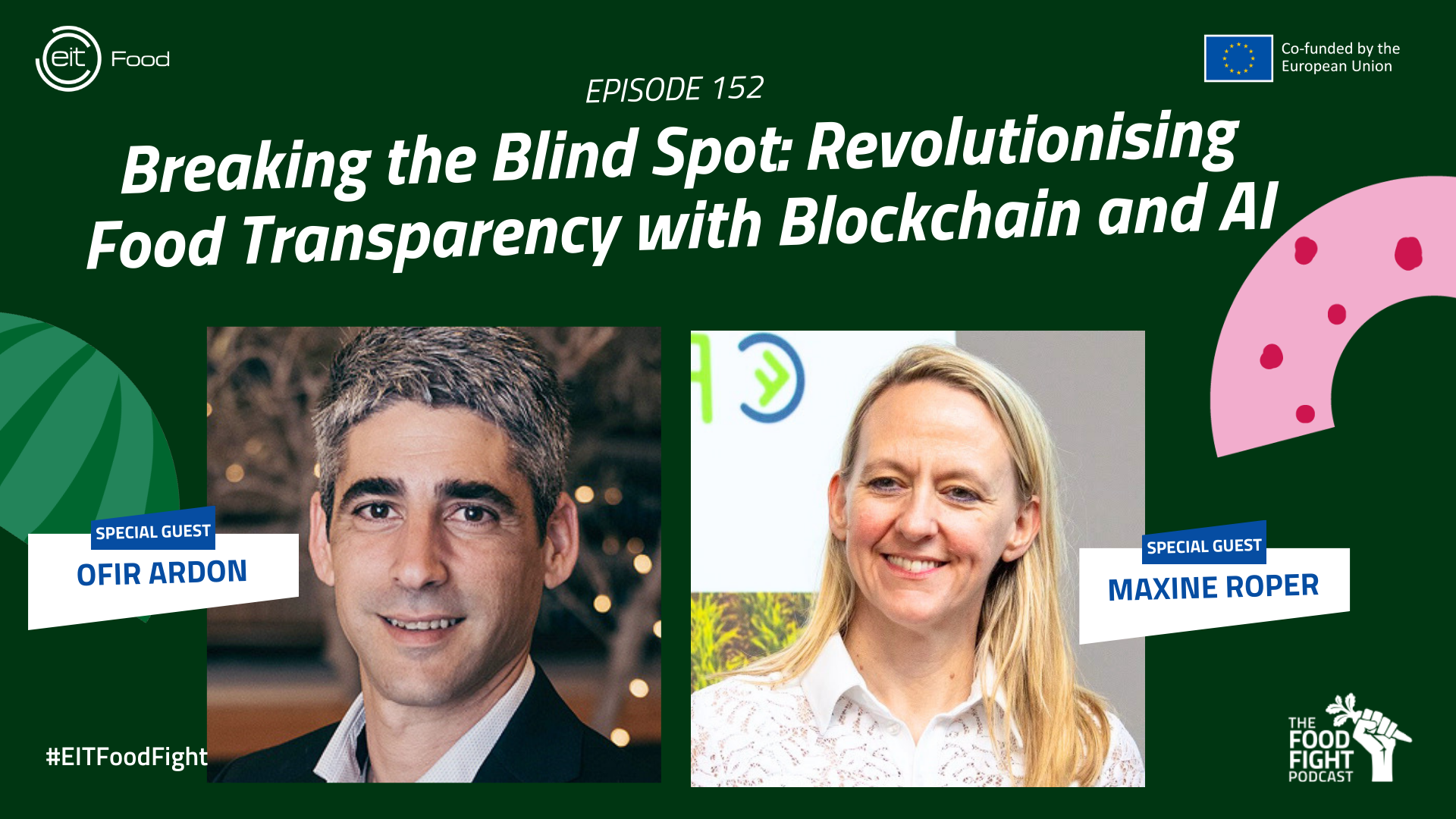
With consumers increasingly demanding to know the origins of their food and regulators tightening their focus on sustainability, transparency is no longer optional, it’s essential. Joined by Ofir Ardon of AgriTask and Maxine Roper of Connecting Food, Matt Eastland unpacks how innovative technologies like blockchain, AI, and digital twins make supply chains more transparent, efficient, and sustainable.
Synopsis
From digitising smallholder farms to leveraging blockchain for real-time traceability, Ofir and Maxine highlight how their platforms empower stakeholders across the supply chain, from farmers to consumers. They also discuss how greater transparency can mitigate risks, reduce waste, and build consumer trust while tackling systemic challenges like deforestation and climate unpredictability.
Key Takeaways:
1. Transparency Is Essential, Not Optional: Consumers, regulators, and financial markets are demanding greater visibility into where food comes from, how it’s produced, and whether it meets sustainability and ethical standards.
2. Blockchain and Digital Twins Are Game Changers: Technologies like blockchain ensure data integrity, ownership, and accountability, while digital twins link critical information, such as origin and certifications, to specific product batches.
3. The Complexity of Supply Chains: Smallholder farmers, who make up the majority of suppliers, often lack digitisation, creating significant blind spots. Overcoming these gaps requires scalable solutions like automated data collection and AI-driven insights.
4. Real-Time Traceability Reduces Waste: Immediate feedback on non-compliance in supply chains allows for corrective actions before products reach shelves, minimising waste and enhancing efficiency.
5. Future-Proofing the Food System: As climate change and regulatory pressures increase, platforms that integrate supply chain transparency, sustainability metrics, and predictive analytics will be critical for resilience.
Episode Highlights:
• Complexity of Agricultural Digitization: Ofir explains why agriculture has lagged behind in digitization and how AgriTask uses AI, satellite imagery, and machine learning to bridge the gap.
• Blockchain in Action: Maxine highlights how Connecting Food uses blockchain to give consumers access to detailed product information via QR codes, building trust and loyalty for brands like Barilla and Green Giant.
• The Business Case for Transparency: Both guests emphasise how transparency isn’t just about compliance—it’s a competitive advantage that reduces waste, improves risk management, and attracts ethically-minded consumers.
• Transforming Farmers’ Practices: Ofir shares how data insights are helping farmers optimise costs and improve yields by comparing their practices with peers anonymously.
• Sustainability and Regulation: Maxine discusses how tools like digital auditing and traceability help companies meet sustainability goals while navigating complex regulations like the EUDR.
Calls to Action:
1. Explore AgriTask and Connecting Food: Visit agritask.com and connectingfood.com to learn more about these transformative technologies.
2. Advocate for Transparency: Use #EITFoodFight to join the conversation on how transparency can drive a more ethical and sustainable food system.
3. Support Transparent Brands: Look for QR codes on product packaging that offer traceability and support companies that prioritize transparency.
4. Invest in Digitization: If you’re a producer or retailer, consider adopting scalable technologies to future-proof your supply chain.
Resources:
• EIT Food Transparency Report: Insights on the state of transparency in the food system and its impact.
• Barilla Pesto Campaign: A case study in using blockchain to engage consumers through product traceability.
• Yield Intelligence by AgriTask: A tool to predict crop risks and improve sourcing strategies.
Subscribe and Connect:
Join the Food Fight Podcast to explore the biggest challenges and opportunities in food innovation. Don’t forget to subscribe and follow us on social media using #EITFoodFight to share your thoughts and connect with like-minded advocates for a better food system.
Listen to the latest Food Fight episodes

The Regeneration Rebellion

AI Eyes On Old Tractors: Can PerPlant Give Farmer Their 25 Good Seasons?
